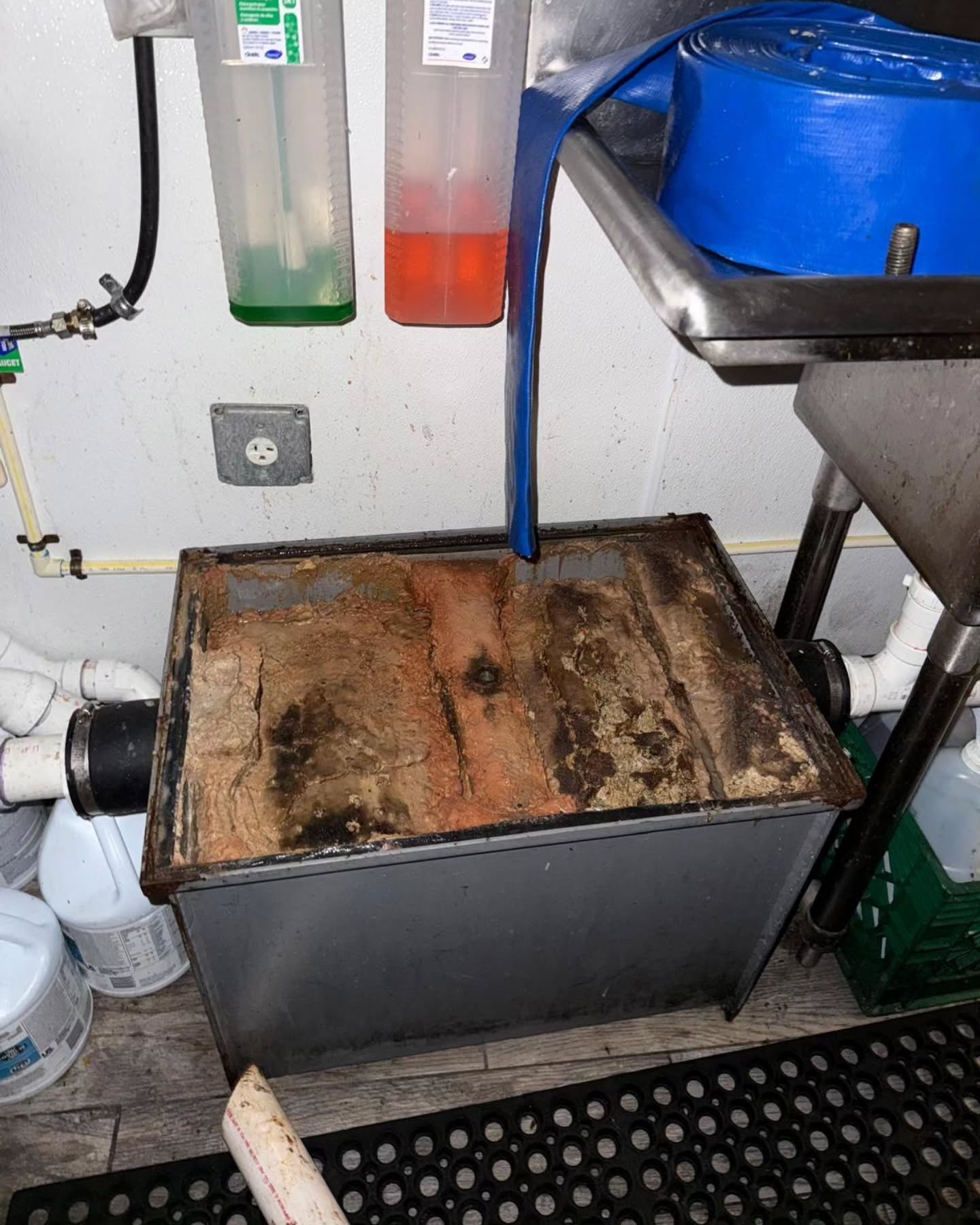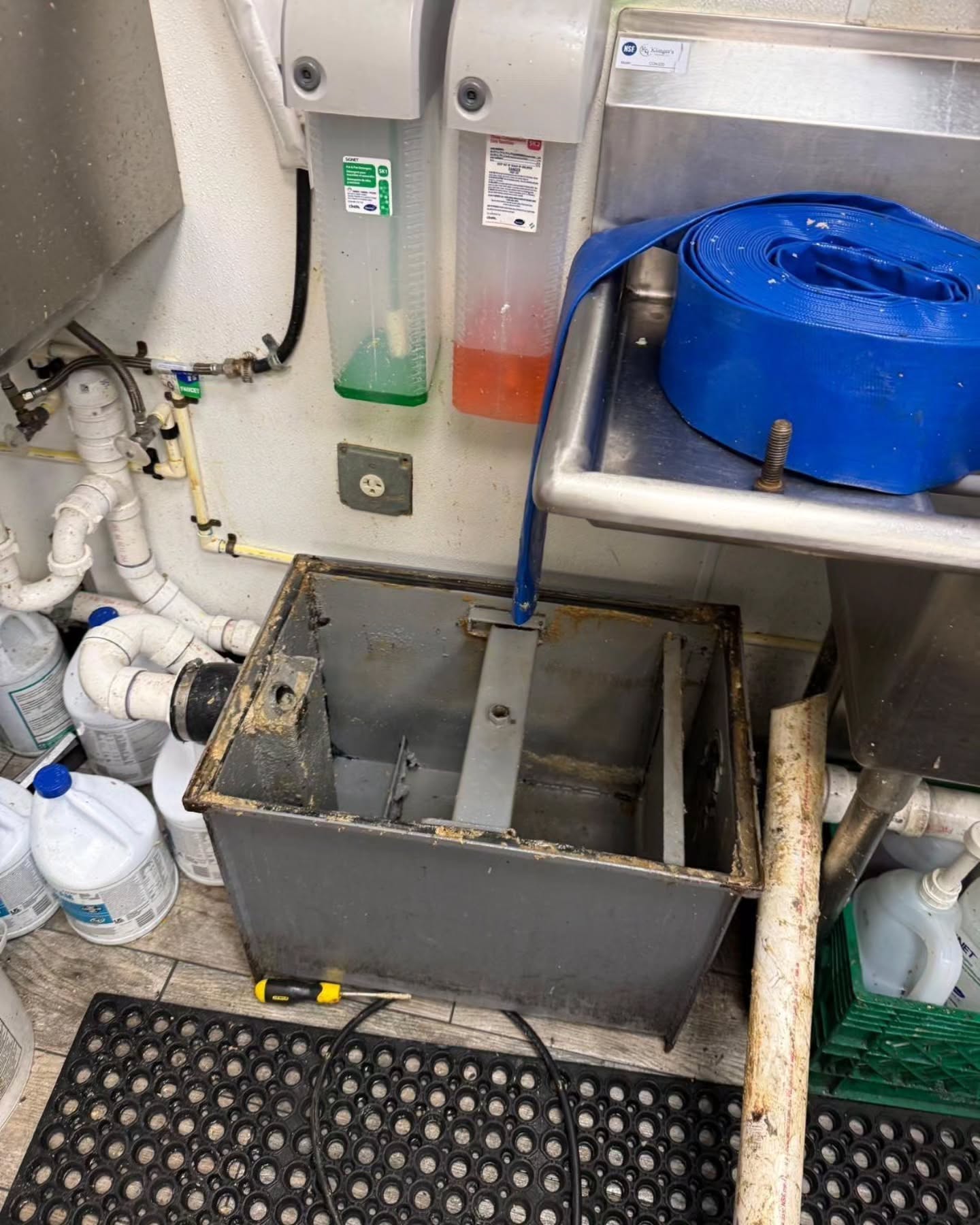
For any restaurant owner, professional restaurant grease trap cleaning isn’t just another item on a maintenance checklist—it’s a critical service that keeps your kitchen running smoothly and legally. It’s what stands between you and a world of expensive plumbing backups, nasty smells, and serious health code violations. In busy areas like Broward County and Miami-Dade County, putting this job off is a recipe for disaster.
Is your kitchen showing signs of trouble like slow drains or foul odors? Don’t wait for a backup to shut you down. ClogMasters provides 24/7 emergency service across Broward and Miami-Dade, with technicians often dispatched in under one hour for urgent issues. Call us now to schedule an inspection or cleaning.

What Is a Grease Trap and Why Is It So Important?
Think of your grease trap as the hardworking bouncer for your restaurant’s entire plumbing system. Every time a dish is washed, a grill is scrubbed, or a floor is mopped, a mix of water, food scraps, and—most importantly—fats, oils, and grease (FOG) heads down the drain. Without a grease trap, that greasy mess would flow right into your pipes, hardening into concrete-like blockages.
A grease trap’s mission is simple but essential. It’s designed to slow down the wastewater coming from your sinks and drains, giving it enough time to separate.
- Fats, Oils, & Grease (FOG): Lighter than water, FOG floats to the top, forming a thick, scummy layer.
- Food Solids: Heavier bits of food and other debris sink to the bottom, creating a layer of sludge.
- Wastewater: With the FOG and solids separated, the cleaner water in the middle safely flows out into the city sewer line.
This simple process is your first and best defense against the kind of plumbing nightmare that can shut a restaurant down.
Why Routine Cleaning Is Non-Negotiable
A grease trap is not a magic box; it’s a holding tank that fills up. Once the FOG and solid layers take up 25% or more of the trap’s total space (known as the 25% Rule), it stops working. At that point, greasy water bypasses the trap entirely and goes straight into your pipes.
Failing to clean your trap before it hits that 25% mark creates a domino effect of problems no restaurant owner wants to face.
Consequences Of Neglecting Restaurant Grease Trap Cleaning
Skipping routine cleanings might seem like a way to save money, but the consequences are far more expensive. The table below breaks down the serious risks you run when a grease trap is left to fill up.
| Risk Category | Description Of Consequence | Potential Impact On Your Business |
|---|---|---|
| Plumbing Disasters | FOG solidifies in pipes, leading to severe clogs and sewage backing up into your kitchen sinks and floor drains. | Emergency plumbing repairs, flooding, and costly kitchen downtime. |
| Health & Safety | Overflowing grease and raw sewage create unsanitary conditions, breeding bacteria and foul odors that attract pests. | Health code violations, customer complaints, negative reviews, and potential for staff illness. |
| Business Operations | A backed-up drain or failed health inspection can force an immediate, mandatory closure of your restaurant. | Complete loss of revenue, damaged reputation, and inability to serve customers until resolved. |
| Legal & Financial | Municipalities in South Florida issue steep fines for FOG violations and for allowing grease into the public sewer system. | Significant financial penalties, repeated inspections, and a strained relationship with local authorities. |
As you can see, a full grease trap isn't just a plumbing issue—it's a direct threat to your business's health and profitability. In competitive markets like Fort Lauderdale, Aventura, or Pembroke Pines, an unexpected closure is a devastating blow. To get ahead of a problem, you can learn more about how to prevent clogged drains in our detailed guide.
Don’t let a backed-up drain or a failed inspection shut you down. If you see the warning signs of a clog, call ClogMasters right away for 24/7 emergency service. Our rapid-response team serves Hollywood, Davie, and all surrounding areas.
The Hidden Costs Of FOG Buildup In Your Kitchen
Every busy commercial kitchen is an engine that produces a constant stream of Fats, Oils, and Grease (FOG). From greasy pans being rinsed to fryers being drained, that trickle of FOG adds up to a massive operational threat hiding in your plumbing.
A single restaurant can produce 14-18 pounds of FOG every day, which is why restaurants account for 60-70% of all grease trap installations worldwide. When this sludge isn't managed with regular restaurant grease trap cleaning, it builds up, hardens, and causes catastrophic sewer backups. For restaurant owners here in Broward and Miami-Dade, ignoring this can lead to massive fines and health department shutdowns. You can read the full research about grease trap market trends to see how big this issue is globally.
From Kitchen Output To Plumbing Nightmare
The trip from a hot fryer to a blocked sewer line happens faster than most owners think. As hot, liquid FOG travels down your pipes, it cools and solidifies into a thick, sticky paste. This gunk coats the inside of your pipes, creating a bottleneck that narrows water flow and traps food particles, making the clog even worse.
Suddenly, you’re not dealing with a slow drain. You’re sitting on a ticking time bomb that can bring your entire operation to a halt.
A backed-up sewer line is one of the most disruptive and costly disasters a restaurant can face. It's more than a plumbing problem—it's a financial crisis that forces you to shut your doors, turn away customers, and lose thousands in revenue.
In competitive food hubs like Aventura, Fort Lauderdale, or Pembroke Pines, an unexpected closure is a critical hit. It sends your regulars to your competition, and bad online reviews about sanitation issues can haunt your reputation for years.
The True Cost Of A Clogged Grease Trap
Putting off grease trap maintenance is a high-stakes gamble. The consequences go far beyond a simple plumbing bill.
- Emergency Repair Bills: A serious FOG clog isn’t something a simple snake can fix. It often requires hydro jetting, a more intensive process. If the pressure causes a pipe to burst, you could face excavation and major repair costs.
- Lost Revenue: Every minute your doors are locked is a minute you're not making money. For a busy restaurant, a single day of downtime can easily mean thousands of dollars in lost sales.
- Health Code Violations and Fines: Miami-Dade and Broward County authorities are very strict about FOG compliance. An inspector finding a violation can slap you with heavy fines and force re-inspections.
- Damaged Reputation: Foul odors, pest problems, or sewage backups are impossible to hide from customers. The damage to your restaurant's good name can be permanent.
Regular, professional restaurant grease trap cleaning isn't just another expense—it's essential insurance. It protects your revenue, your reputation, and your peace of mind. To take it a step further, you can learn about the complete FOG lifecycle in our guide on cooking oil recycling in South Florida and manage your waste responsibly.
How Often Your Grease Trap Really Needs Cleaning
One of the first questions we get from restaurant owners is about their restaurant grease trap cleaning schedule. The truth is, there isn't one magic number. The right frequency is specific to your kitchen. A small Davie café's quarterly cleaning schedule would be a disaster for a bustling steakhouse in Miramar.
Getting this right isn't just about good housekeeping; it's about staying open and avoiding massive plumbing headaches. The trick is to know what makes your trap fill up and to stay ahead of it.

If you're second-guessing your maintenance plan or feel you’re overdue, don't wait for a backup to force your hand. At ClogMasters, we offer fast, reliable inspections and cleanings across Broward and Miami-Dade. Just give us a call 24/7, and we'll dispatch a technician, often in under an hour for emergencies.
Understanding the 25% Rule
The golden rule in our industry is the 25% Rule. This isn't just a friendly suggestion—it’s a common regulatory standard in South Florida that inspectors live by. It means your grease trap needs to be pumped out once the sludge and grease layers take up one-quarter (25%) of the tank’s liquid volume.
Once you hit that 25% mark, the trap can't do its job anymore. It stops separating grease from water effectively. Instead, greasy wastewater flows right past the baffles and into the city sewer lines, which is a fast track to clogs, foul odors, and fines.
The 25% Rule isn't just a suggestion; it's the official benchmark inspectors use to determine compliance. Adhering to it is the only way to guarantee you’ll pass an inspection and avoid costly penalties.
Factors That Determine Your Cleaning Frequency
So, how do you figure out how fast your trap hits that 25% limit? It comes down to a few key things about your business. Being honest about these will help you set a cleaning schedule that actually works.
Here are some general guidelines based on establishment type.
Recommended Grease Trap Cleaning Frequency
| Type Of Establishment | Typical Kitchen Volume | Recommended Cleaning Frequency |
|---|---|---|
| High-Volume Restaurants (Steakhouses, Fried Chicken, BBQ) | High | Every 30-45 days |
| 24-Hour Diners & Busy Eateries | High | Every 30-60 days |
| Average Full-Service Restaurants | Medium | Every 60-90 days |
| Small Cafés, Delis & Coffee Shops | Low | Every 90 days |
Remember, this table is just a starting point. Your kitchen's specific output is what truly matters.
Here’s what really moves the needle on your cleaning schedule:
- Kitchen Output and Volume: A restaurant serving hundreds of meals a day will fill its trap much faster than a small coffee shop.
- Menu Type: If your menu is heavy on fried foods, grilled meats, or buttery sauces, you’re producing more FOG and will require more frequent cleanings.
- Grease Trap Size: A bigger interceptor tank can hold more waste, buying you more time between cleanings compared to a small under-sink unit.
- Kitchen Practices: Scraping plates clean before rinsing and using drain screens can dramatically reduce the solids and grease going down the drain, extending the time between cleanings.
Building the right schedule is a critical part of running a smooth commercial kitchen. For a more detailed breakdown, you can read our guide on how often to clean a trap. Better yet, let ClogMasters create a custom plan that keeps your restaurant in Fort Lauderdale or Aventura protected and compliant.
Warning Signs Your Grease Trap Needs Immediate Service
Your grease trap works quietly behind the scenes, but it won’t stay silent forever. When it gets too full, it sends out clear distress signals. Paying attention to these early warnings is the key to avoiding a kitchen shutdown, health code fines, and a massive plumbing bill.
Think of these signs as your kitchen’s cry for help. For any restaurant, they signal an urgent need for professional restaurant grease trap cleaning. If you ignore them, you're risking a foul-smelling backup that can flood your workspace and stop business in its tracks.
If you spot any of these red flags at your Fort Lauderdale or Aventura restaurant, don’t put it off. A full grease trap is a ticking time bomb. Call ClogMasters now for 24/7 rapid response across Broward and Miami-Dade County. For emergencies, we can have a tech at your door in under an hour.
Slow Draining Sinks and Floor Drains
This is almost always the first sign of a problem. You’ll notice your three-compartment sink or floor drains don't empty as fast as they used to. That slowdown means FOG and food solids have built up inside the trap, creating a bottleneck that restricts water flow.
What starts as a minor annoyance will only get worse as the trap fills. This is a clear indicator that your grease trap is losing its ability to do its job. A slow drain today can easily become a complete, messy backup tomorrow.
Foul Odors Coming From Drains
You can’t mistake the smell of a full grease trap. As old grease and trapped food waste break down, they release hydrogen sulfide gas. The result is a powerful, rotten-egg stench rising from your sinks and floor drains.
That persistent, nasty smell is one of the surest signs your grease trap is long overdue for a cleaning. The odor can quickly fill your restaurant, turning off customers and catching the immediate attention of a health inspector.
Gurgling Sounds in Your Pipes
Ever hear a strange gurgling or bubbling sound from the drains, even after the water has gone down? That noise is caused by trapped air being forced through the sludge building up in your pipes and the grease trap itself. It’s the sound of your plumbing system struggling for air.
These gurgling noises mean a blockage is forming and wastewater is fighting to get through. It's a definite symptom of a partial clog that is on its way to becoming a complete one. It helps to recognize the other signs of a sewer backup too.
Visible Grease in Sinks or Overflowing
This is the final, most critical warning. If you see greasy, dirty water backing up into your sinks, you have an emergency. Even worse is when wastewater overflows from the grease trap's manhole cover. This means the trap is 100% full, and backed-up FOG has nowhere to go but back up the pipes.
Restaurants are the undisputed kings of FOG production—each one can generate 14-18 pounds of it daily. That is why they account for 60-70% of all grease trap installations and why clogs lead to over 50% of all plumbing failures in commercial kitchens. To get a sense of the scale of this issue, you can discover more insights about the grease trap market on marketdataforecast.com. An overflow is an immediate health hazard and a guaranteed shutdown if an inspector shows up.
If you’re seeing any of these symptoms in your restaurant in Pembroke Pines, Davie, or anywhere else in South Florida, you need help right away. Call ClogMasters 24/7 for emergency restaurant grease trap cleaning.
What Our Professional Cleaning Process Looks Like
When you hire a professional for your restaurant grease trap cleaning, you’re putting the plumbing health of your kitchen in their hands. That's why we want to show you exactly what our ClogMasters technicians do when we arrive at your business, whether you're in Hollywood, Fort Lauderdale, or anywhere in South Florida. Our process is thorough, efficient, and designed to keep you compliant with minimal disruption.
Our job isn't just to pump out grease. It's to completely restore your grease trap so it can protect your pipes and keep you on the right side of local regulations.
If your restaurant's drains are acting up or you're worried about an inspection, don't wait for a full-blown emergency. ClogMasters is ready 24/7 across Broward and Miami-Dade counties. Give us a call to schedule a cleaning or a detailed inspection.
Initial Site Preparation and Inspection
First, our technicians secure the work area around your grease trap. This is all about safety and cleanliness—we protect your staff and property from any potential spillage before we even lift the lid.
Next comes the inspection. We carefully open the trap to check the levels of FOG and solids to see if you are within the legal 25% Rule. This is also our chance to spot red flags like damage to the trap’s internal baffles or walls that could cause it to fail.
The infographic below shows the classic warning signs that your trap needs cleaning—slow drains, nasty smells, and the dreaded backup.

If you're noticing any of these, your trap is already overloaded and can no longer separate FOG effectively, putting your entire plumbing system at risk.
Pumping All Contents and Scraping the Trap
Once we've assessed the situation, the real work begins. We use powerful vacuum equipment to pump out all the contents of the trap—not just the floating grease, but the wastewater and the heavy, sludgy solids at the bottom. A complete pump-out is non-negotiable for a real clean.
Beware of "pump-and-go" services that only skim the top layer of grease. That's not a true cleaning. ClogMasters guarantees a total clean-out to prevent hardened buildup and ensure long-lasting results.
After the trap is empty, we move on to the most important part: scraping the trap. Our technicians use specialized tools to physically scrape down the lid, baffles, and all interior walls. This removes the tough, caked-on grease that a vacuum can't budge. Skipping this step leads to long-term damage and poor performance.
Comprehensive System Cleaning and Final Steps
We don't stop once the tank is clean. We inspect the inlet and outlet pipes for any visible blockages. For complete peace of mind, we also offer these highly recommended services:
- Hydro Jetting: We can use high-pressure water jets to blast through any lingering FOG buildup in the lines leading to and from your trap, clearing the path from your kitchen to the city sewer.
- Sewer Camera Inspection: We can run a camera through your drainage system to confirm it's completely free of clogs, cracks, or other damage.
Finally, we properly reseal the grease trap and clean up our work area. We provide detailed service documentation for your records, which is your proof of compliance for any health or water department inspector in Miami-Dade or Broward County. This full-circle approach to restaurant grease trap cleaning ensures your business in Aventura or Pembroke Pines is completely protected.
Why Professional Service is Non-Negotiable
Running a restaurant means watching every dollar, so it’s tempting to save money by having an employee handle grease trap cleaning. But this is one of those "shortcuts" that ends up costing a fortune.
Hiring a professional isn't just about convenience. It's a critical business decision that protects your restaurant from legal, financial, and operational nightmares. Trying to clean a grease trap without the right equipment is a surefire way to create health hazards, damage plumbing, and break strict disposal laws in Broward and Miami-Dade County.
If your restaurant in Hollywood, Davie, or anywhere nearby is due for a cleaning, don't take the risk. Calling an expert like ClogMasters is the only way to ensure the job is done right, keeping you compliant and your business safe.
The Dangers of DIY and Untrained Staff
Handling the contents of a grease trap is a messy, hazardous job. The FOG sludge is loaded with harmful bacteria, and an employee simply isn't equipped to handle it safely or effectively.
Here are the immediate risks:
- A Job Half-Done: A shop vac won’t touch the hardened grease caked onto the trap’s walls and baffles. That buildup remains, leading straight to the clogs you were trying to avoid.
- Illegal Dumping and Big Fines: Pouring FOG waste down another drain or in the dumpster is illegal and comes with steep penalties from the county. Professionals legally haul the waste to a certified disposal facility and give you the paperwork to prove it, shielding you from liability.
- Causing Costly Damage: It's surprisingly easy for an untrained person to damage the internal baffles or seals of the trap. These repairs can easily cost far more than a professional cleaning.
The Professional Advantage for South Florida Restaurants
Bringing in a certified technician is an investment in your restaurant's health. The restaurant grease trap cleaning market is projected to soar from $3.2 billion to $4.9 billion by 2032. Regulators are cracking down because improper grease disposal is the culprit behind up to 80% of all sewer overflows. You can learn more about grease trap cleaning market findings to see why this is a global issue.
A professional service gives you something a DIY job never can: documented proof of compliance. That service manifest is your golden ticket, protecting you from fines if a health or water inspector shows up.
Our technicians come prepared with heavy-duty gear for a complete job. We use powerful vacuum trucks to remove every last bit of FOG waste and can follow up with high-pressure hydro jetting to blast your lines clean. We are also experts on the specific FOG ordinances governing Fort Lauderdale, Pembroke Pines, and Aventura.
Hiring a professional is the smartest, most cost-effective way to prevent fines, avoid closures, and protect your business.
Your Grease Trap Questions, Answered
As the go-to plumbing pros for restaurants in Broward and Miami-Dade County, we get a lot of questions about grease traps. Here are some of the most common things we hear from owners just like you, with straight-to-the-point answers.
How Do I Know If I'm Compliant With Local Regulations?
Keeping up with local FOG rules in Miami-Dade and Broward can feel like a full-time job. The simplest way to know you're covered is to work with a professional who deals with these regulations every day.
Our ClogMasters technicians live and breathe the specific codes for cities from Fort Lauderdale to Aventura. After every cleaning, we provide a detailed service manifest. Think of it as your golden ticket—it's the official proof you need for any health or water department inspections and your best defense against hefty fines.
What Happens To The Grease After It Leaves My Restaurant?
This is a big one. All the grease and gunk we pump from your trap is taken directly to a licensed and certified processing facility. We handle this according to all Florida state and local environmental rules.
This means you never have to worry about waste being illegally dumped—a practice that comes with serious legal trouble. We manage all tracking paperwork, so your restaurant in Pembroke Pines or Davie stays in the clear and shielded from illegal disposal penalties.
Professional disposal isn't just a good idea; it's the law. It protects your business from massive liability and shows local authorities you're handling waste the right way.
Can Regular Cleaning Really Prevent Plumbing Emergencies?
Absolutely. Almost every major plumbing nightmare in a commercial kitchen—from sewer water backing up into your workspace to drains overflowing during a dinner rush—starts with an ignored grease trap.
When you stick to a consistent, professional cleaning schedule, you remove the very thing that causes devastating blockages.
A full ClogMasters service is more than just an empty-out. We scrape the walls and can use hydro jetting on the inlet and outlet lines to clear stubborn buildup in the pipes themselves. It’s the single best way to reduce the risk of a sudden, business-stopping disaster and keep your kitchen running smoothly.
Don't let unanswered questions turn into a costly plumbing disaster. For expert answers and fast, 24/7 service across Broward and Miami-Dade, trust the specialists. Contact ClogMasters today to schedule an inspection or emergency cleaning. https://clogmasters.com