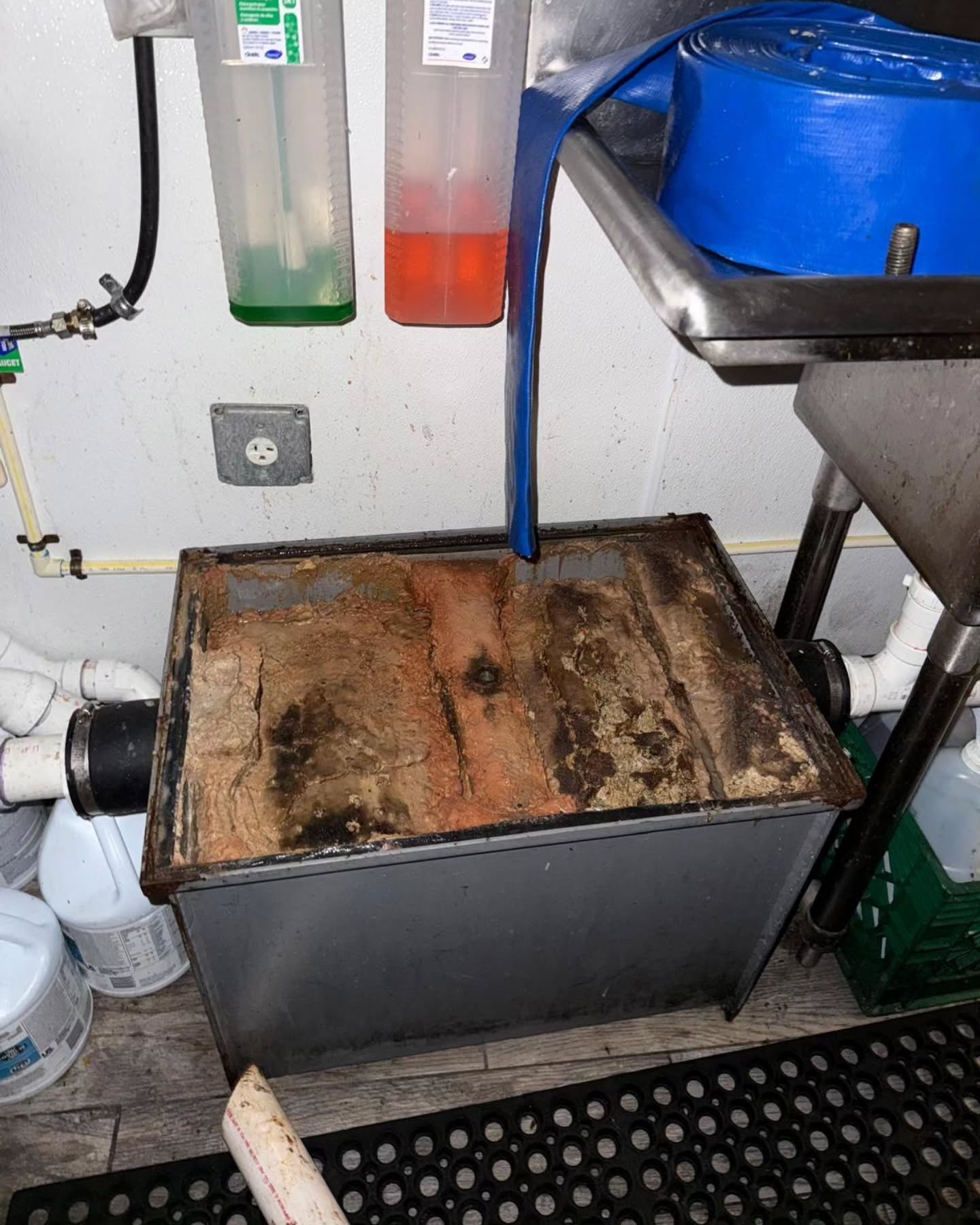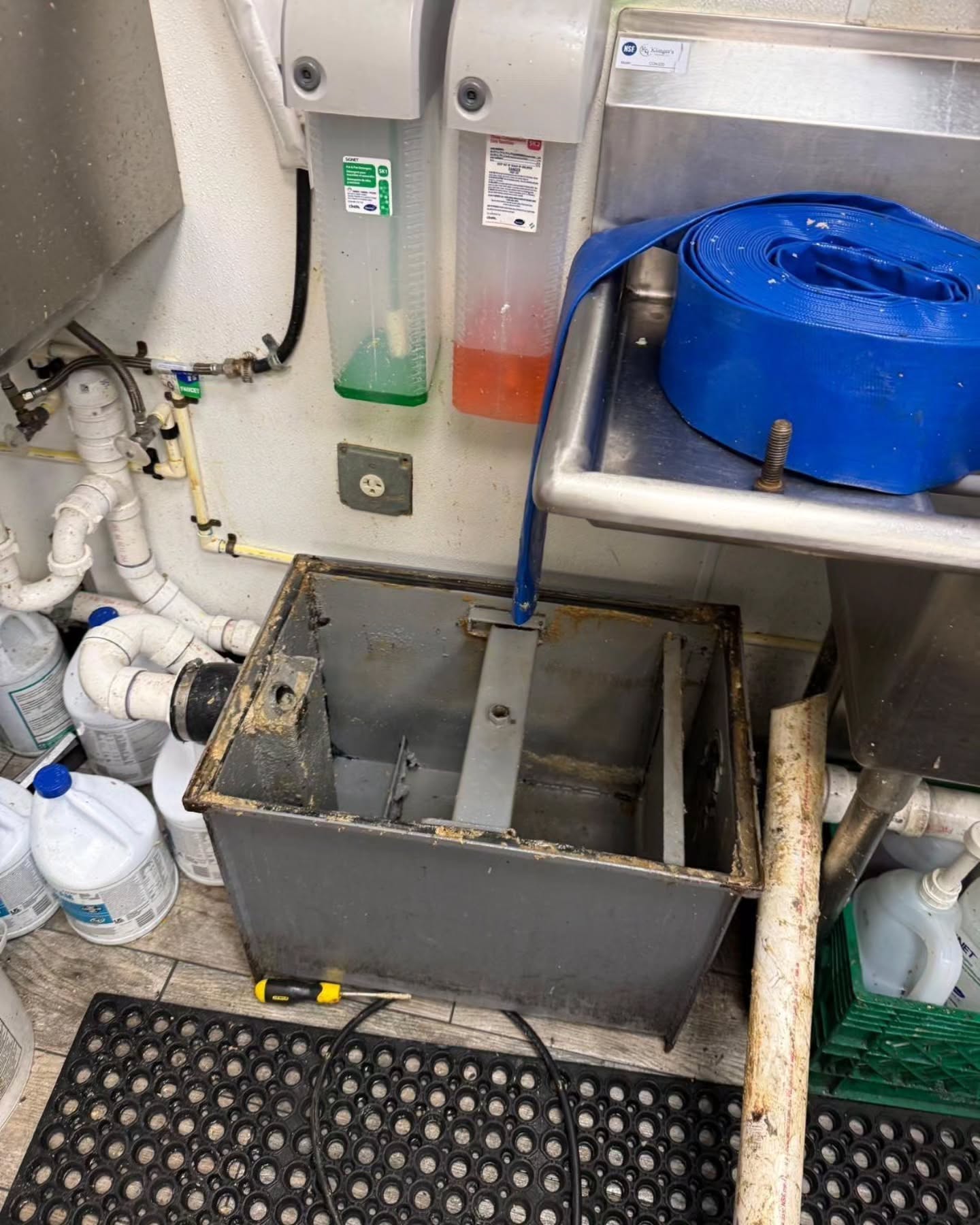
Most commercial kitchens should plan on cleaning their grease trap every 1 to 3 months. That’s a good rule of thumb, but it’s not a one-size-fits-all answer. How often you really need to do it depends on your specific setup—things like the size of your trap, what’s on your menu, and just how busy you are.
Why Consistent Grease Trap Cleaning Is So Important

Think of your grease trap as the unsung hero of your kitchen’s plumbing. Day in and day out, it silently catches all the fats, oils, and grease (FOG) that go down your drains, stopping them from creating nasty clogs in your pipes or the city sewer system.
But when that hero is ignored, it can quickly turn into the villain of the story. A full grease trap is a ticking time bomb, leading to problems that can shut your entire operation down without warning.
The Risks of a Neglected Grease Trap
Pushing off a cleaning to save a few bucks might seem tempting, but it almost always backfires with much more expensive consequences. An overflowing trap isn't just a mess; it's a direct threat to your business.
An unmaintained grease trap doesn't just risk a clog; it risks your business's health. The foul odors alone can drive customers away, while a messy backup can force a complete shutdown for emergency repairs and sanitation.
Sticking to a regular service schedule helps you avoid a whole host of preventable nightmares:
- Foul, Rancid Odors: As FOG and old food scraps break down, they create a powerful, stomach-turning smell that can easily spread from the kitchen to your dining room.
- Costly Plumbing Backups: When the trap can't hold any more grease, that gunk flows straight into your pipes. Once it cools, it hardens into a dense blockage, causing sinks and floor drains to back up with greasy, dirty water.
- Health Code Violations: Health inspectors in Broward and Miami-Dade County take this stuff seriously. They check maintenance logs, and if you’re not compliant, you could be looking at hefty fines or even a forced closure.
- Pest Infestations: A full, dirty trap is basically a buffet for roaches, flies, and rodents. It's the last thing you want in a clean, sanitary kitchen.
Remember, managing your kitchen waste properly is also about being a good environmental steward. You can learn more about cooking oil recycling in South Florida in our article to handle all byproducts the right way.
Understanding the 25 Percent Rule
When it comes to grease trap maintenance, there's one golden rule that everyone in the food industry lives by: the "25 Percent Rule." This isn't just some friendly suggestion—it's the industry standard and the bedrock of most local regulations here in Broward and Miami-Dade County. If you want to keep your plumbing clear and stay on the right side of the health inspector, this is the rule you need to know.
So, what is it? Put simply, your grease trap needs to be professionally pumped and cleaned as soon as the combined layers of FOG (fats, oils, and grease) floating on top and the solid food waste settled at the bottom take up 25% of the trap's total liquid volume.
Why This Quarter-Full Mark Is So Critical
Imagine your grease trap is like a simple filter bucket. You wouldn't wait until it’s completely full of gunk to clean it out, right? You’d dump it long before it overflows and makes a huge mess. The 25% Rule applies that exact same common-sense logic to your kitchen's plumbing.
Once that trap hits the one-quarter-full mark, its efficiency plummets. It can no longer effectively separate the new grease and solids coming from your sinks. That means more FOG starts slipping past the trap and heading straight for your drain lines, where it cools, hardens, and builds up into nasty, stubborn blockages. Past that 25% threshold, your risk of foul odors, slow drains, and sewage backups skyrockets.
Think of the 25% Rule as your system's built-in safety net. Following it is what protects your pipes from clogs, keeps you compliant with health codes, and prevents the kind of smelly, messy emergencies that can damage your business's reputation.
This isn't just a local thing, either. Health departments and water authorities across North America have adopted this standard because it works. The rule is clear: pump the trap when the FOG and solids reach a quarter of its capacity. You can learn more about general food safety guidelines like this from established resources like the FoodDocs template library.
How to Put the Rule Into Practice
To follow the 25% Rule, you have to know what's going on inside your trap. A licensed plumber from a company like ours can give you an exact measurement, but you can get a pretty good idea on your own with a quick check.
Here’s a simple way to eyeball it:
- Find the Total Depth: Grab a dowel or measuring stick and carefully lower it into the trap until you feel it hit the bottom. Note where the water level is on the stick. That’s your total liquid depth.
- Measure the Solids Layer: Now, slowly push the stick all the way to the bottom, through the top layer of grease. You'll feel it hit the layer of sludge at the bottom. The distance from the bottom of the stick to where this sludge layer starts is your solids depth.
- Measure the FOG Layer: Pull the stick out. You’ll see a thick, greasy coating on it. That’s your FOG layer. Just measure the thickness of that greasy section on the stick.
Add the solids depth and the FOG depth together. If that combined number is about one-quarter of the total liquid depth you measured in the first step, you’ve hit the limit. It’s time to call in the professionals.
How Often Should You Really Clean Your Grease Trap?
There’s no magic "one-size-fits-all" answer when it comes to grease trap cleaning. While the 25% Rule is the hard limit you can't ignore, your perfect schedule is all about how fast your kitchen hits that number. Getting this right means digging into the specifics of your business.
The big three are your kitchen's size, your customer traffic, and most importantly, your menu. A bustling restaurant slinging fried chicken and creamy sauces will fill its trap way faster than a small coffee shop serving scones and sandwiches. It's just common sense.
What Determines Your Cleaning Frequency?
To nail down a practical cleaning schedule, you have to look at your actual daily grind. These three things have the biggest impact on how much fat, oil, and grease (FOG) you produce. Get a handle on them, and you can build a maintenance plan that keeps you out of trouble without paying for cleanings you don't need.
- Your Menu is King: This is the single most important factor. If your menu is loaded with deep-fried foods, fatty meats like bacon and ground beef, rich sauces, and lots of dairy, you're going to generate a ton of FOG. On the flip side, a kitchen focused on steamed veggies, salads, and lean proteins will produce far less.
- The Size of Your Trap: A small, under-sink grease interceptor will hit its 25% capacity much sooner than a giant, in-ground trap buried outside, even if they both handle the same amount of grease.
- How Busy You Are: It's a simple numbers game. How many meals do you crank out every day? A 24/7 diner will fill its trap much more quickly than a cafe that's only open for breakfast and lunch. Don't forget to account for seasonal rushes or holiday peaks that can throw a wrench in your normal routine.
This simple chart walks you through the basic decision-making process, all centered on that critical 25% Rule.

As you can see, it’s a clear path: once the FOG and solid gunk fills up a quarter of that tank, it’s time to get it cleaned out. Waiting any longer is just asking for a backup.
Finding Your Starting Point
Every kitchen is unique, but you don't have to start from scratch. You can get a pretty good idea of where to begin by looking at businesses similar to yours.
Use this table as a starting point to find the typical cleaning schedule for your type of business. Your actual frequency will depend on your specific menu and volume.
Recommended Grease Trap Pumping Frequency by Establishment
| Establishment Type | Typical Grease Output | Recommended Pumping Frequency |
|---|---|---|
| High-Volume Restaurants | High | Every 1 to 4 Weeks |
| Diners and Fast-Food Chains | High | Every 2 to 4 Weeks |
| Family-Style Restaurants | Medium | Every 1 to 2 Months |
| Cafes and Coffee Shops | Low | Every 3 to 4 Months |
| Delis and Sandwich Shops | Low | Every 3 Months |
| School or Hospital Cafeterias | Varies | Every 2 to 3 Months |
Pro Tip: When you're setting up a new schedule, it’s always smart to start on the more frequent side. Have a pro come out and measure your FOG levels after a few weeks. If you're nowhere near that 25% mark, you can confidently push your next cleaning back.
This approach helps you find that sweet spot—you stay compliant without wasting money on service you don't need yet. The whole point is to turn this into a predictable, stress-free part of your routine.
Signs Your Grease Trap Is Due for Service

Your grease trap isn't going to fail silently. Long before you're facing a kitchen-stopping backup, it will send out some pretty clear distress signals. Learning to spot these clues is the real secret to avoiding a messy, expensive emergency.
If you pay attention, you can get ahead of the problem and schedule a cleaning before it spirals out of control. The signs might be subtle at first, but they become impossible to ignore once the trap is truly full.
Foul Odors and Slow Drains
The first thing you’ll probably notice is the smell. As all that trapped grease, oil, and old food starts to break down, it releases a nasty, sour odor that can quickly take over your kitchen and even drift into customer areas. If your drains just plain stink, your grease trap is almost always the reason.
Next up is slow drainage. When the trap gets too full, water has a tough time getting through. You'll see sinks and floor drains taking forever to empty. You might even hear some weird gurgling sounds as the water fights its way past the clog.
A slow drain is your plumbing system's cry for help. It’s the first physical sign that FOG is beginning to restrict flow, not just in the trap but potentially in the connecting pipes as well.
Critical Warning Signs
Ignore those early signs, and things will get much worse, fast. These next symptoms mean your trap isn't just full—it's about to cause a total system failure. If you see any of these, you need to call for help immediately.
- Grease Backups: This is the big one. You'll see gross, greasy water coming back up into your sinks (especially a three-compartment sink) or pooling around floor drains. It means the trap is completely full and the waste has nowhere else to go but back where it came from.
- Visible Grease Overflows: If you have a large, in-ground interceptor outside, you might see grease literally seeping out of the manhole cover. This is a major health and environmental hazard that needs immediate professional service.
Catching these red flags early helps you stay ahead of a disaster. A prompt professional cleaning protects your plumbing, keeps you compliant with local regulations, and prevents a costly shutdown that no business can afford.
Professional Cleaning vs. a DIY Approach

It’s a question a lot of business owners ask: "Can I just clean my own grease trap and save a few bucks?" On the surface, it might seem like a simple job, especially if you only have a small unit under the sink.
But the reality is a whole lot messier, smellier, and riskier than you might think. For the big, in-ground traps found at most restaurants, trying to do it yourself is pretty much a non-starter—and in many cases, it’s not even legal.
The Risks and Realities of DIY Cleaning
Let's be blunt: cleaning a grease trap is a nasty job. It involves scooping out bucket after bucket of rancid fats, oils, grease, and rotting food solids. But it takes more than just a strong stomach to get it done right.
Handling gallons of this semi-solid waste requires specialized equipment. Professionals use powerful pumps and vacuum trucks to safely remove everything without spilling a drop. More importantly, they know how to handle the disposal.
Cities and counties across Broward and Miami-Dade have incredibly strict rules for getting rid of FOG waste. You can't just bag it up and toss it in the dumpster or pour it down a different drain. It’s considered hazardous material and must be transported to a licensed processing facility.
The biggest risk of DIY cleaning isn't the awful smell—it's the liability. If you dispose of FOG waste improperly, you could be hit with massive environmental fines that make the cost of a professional service look tiny.
If you’re keen on keeping your pipes clear between professional visits, you can learn more about general upkeep in our complete guide to drain cleaning.
Why Professional Service Is Essential for Compliance
Hiring a licensed and insured expert isn't just about avoiding a messy job. It's about protecting your business and making sure you stay on the right side of the law. A professional service takes the entire burden off your shoulders.
Here’s what you get with a pro that you just can't with a DIY attempt:
- A Truly Thorough Job: Technicians use high-powered gear to pump out every last bit of FOG, water, and gunk. This leaves your trap completely clean, preventing buildup that can cause clogs later on.
- Legal Waste Disposal: We handle the transportation and disposal at a certified facility, following all local environmental regulations to the letter. No guesswork, no risk.
- The Paperwork That Proves It: After the job is done, we give you an official manifest or service record. This is your proof that you had your trap cleaned and the waste handled legally.
That manifest is more important than you might realize. When the health inspector shows up, they will ask to see your grease trap maintenance logs. Handing them a stack of professional service records shows you’re compliant, helping you ace your inspection and avoid costly fines or even a forced shutdown.
Your Partner for Grease Trap Compliance in South Florida
Let's be honest, the last thing you want to worry about is your grease trap. You've got a business to run. Here in Broward and Miami-Dade County, we get it. As licensed plumbers, we've seen firsthand how a backed-up grease trap can bring a bustling kitchen to a dead stop.
That’s why we focus on preventing those emergencies from ever happening. We’ll work with you to figure out a cleaning schedule that actually makes sense for your business, based on how much grease and oil you’re really producing. The goal is to keep you well clear of that 25% Rule so you can focus on your customers, not your drains.
More Than Just a Cleanout Service
Of course, plumbing problems don't always stick to a schedule. When you walk in to find a nasty backup or a smell that just won't quit, you need help, and you need it fast. Our team is on call 24/7 for emergencies. We're based right here in Hollywood, so we can get to you quickly and get your kitchen back on track.
A clean grease trap is just one part of a healthy plumbing system. We also handle the tough stuff that keeps everything flowing smoothly.
- Hydro Jetting: Think of this as pressure washing for the inside of your pipes. We use powerful jets of water to obliterate years of caked-on FOG buildup, leaving your lines flowing like new.
- Sewer Camera Inspections: Instead of guessing where a clog is, we send a tiny camera down the line to see the problem for ourselves. This saves a ton of time and avoids unnecessary digging.
- Complete Drain Cleaning: Whether it's a finicky sink or a major sewer line issue, we have the experience and the right equipment to clear it out.
We believe in doing good work with no surprises. You'll get an upfront estimate and the confidence of our satisfaction guarantee. Find out more about our dedicated grease trap cleanout services in South Florida and let us take the worry out of your plumbing.
Your Top Grease Trap Questions, Answered
If you run a business in South Florida, you’ve probably got questions about your grease trap. We get it. Getting straight answers is the best way to keep your kitchen humming, stay on the right side of the law, and avoid nasty surprises. Here are the questions we hear most often from local business owners just like you.
What Happens If I Put Off Cleaning My Grease Trap?
Honestly, nothing good. Putting off a cleaning is like ignoring a ticking time bomb for your plumbing. Before you know it, you’re dealing with serious clogs that can cause raw sewage to back up right into your kitchen—a true nightmare scenario.
Beyond that, you’ll have to contend with disgusting, rancid smells that can send customers running for the door. And then there are the fines. Health departments in both Broward and Miami-Dade don't mess around with non-compliance. Regular cleaning isn't just a good idea; it's a core part of running a smart, successful business.
What’s the Price Tag for Professional Grease Trap Cleaning?
The cost really depends on a few key things: the size of your trap, where it’s located, and just how full it is. A small indoor interceptor that's easy to get to will naturally cost less than a huge, overflowing outdoor unit that needs a lot more work to pump out.
Your best bet is always to get a clear, upfront quote that's tailored to your specific setup. That way, you know exactly what you're paying for before the work starts—no hidden fees, no surprises.
Can I Just Pour Chemicals Down the Drain Instead of Pumping?
That’s a hard no. We see products all the time claiming to be a magic bullet for dissolving grease, but they simply don't work as advertised. In fact, these chemical additives and enzymes can end up damaging your pipes over time.
Even worse, most of these products are banned by local South Florida regulations because they just push the problem downstream, creating major issues for municipal water treatment plants. The only effective—and legal—way to maintain your system is to have it professionally pumped and cleaned. This physically removes all the gunk and ensures you're fully compliant.
Don't let a clogged grease trap shut down your business. At ClogMasters, our licensed plumbers offer dependable grease trap cleaning, hydro jetting, and 24/7 emergency drain services throughout Broward and Miami-Dade County. Get in touch with us today for a free estimate and a no-nonsense maintenance plan that fits your schedule.